Million-Dollar Bishops
NEW OXFORD NOTEBOOK
These tonsured wraiths of greed were priests indeed,
and popes and cardinals, for it is in these
the weed of avarice sows its rankest seed.
— Inferno (canto VII)
The Catholic Church has a money problem.
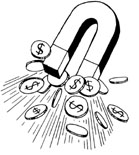
No, the Church doesn’t suffer from a lack of funding; she’s plagued by an abundance of wealth, too much of which has been put to less-than-holy purposes.
It’s now three months shy of two years ago that the story broke in The New York Times that disgraced cardinal Theodore McCarrick was named in a sex-abuse complaint. The Vatican was to have released a report of its investigation into the McCarrick affair, but, as of this writing, nothing has been forthcoming.
That doesn’t mean there haven’t been new revelations. McCarrick’s moral turpitude wasn’t limited to sexual perversion. He was deviant in money matters as well. McCarrick was long known as a prodigious fundraiser, and as he ascended the ranks of the American Church, he amassed a small fortune, which he used to curry favor with powerful prelates in the U.S. and the Vatican.
After being installed by Pope St. John Paul II as cardinal archbishop of Washington, D.C., arguably the most prestigious see in all America, McCarrick took full advantage of his lofty status, hobnobbing with members of the upper echelon of U.S. politics. He presided over the funeral of Senator Edward M. Kennedy and hosted dinners for President George W. Bush and other dignitaries. And he used his charm and influence to solicit donations from wealthy Catholic patrons, taking in more than $6 million over 17 years, which he deposited into a well-hidden “Archbishop’s Special Fund.” Among the most generous donors was Maryanne Trump Barry, sister of President Trump and a former federal appellate judge, who gifted McCarrick with no less than $450,000 over four years. McCarrick spent this “hidden” money as he chose, with little oversight, according to archdiocesan officials.
What did he do with all that dough?


You May Also Enjoy
John Paul II wrote of political superpowers that all-consuming pursuit of profit and power are “forms of modern imperialism” and “real forms of idolatry.”
Will Chinese Catholics belong to the Church, or will they be sold over as part of a political deal that some in the Vatican wish to strike with the powers of the world?
If the Pope is serious about curbing clerical sexual abuse before it happens, then it is high time he took off the pastoral gloves.