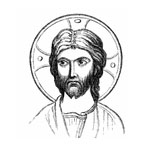
The Resurrection & the Beloved Disciple
GUEST COLUMN
St. Mary Magdalene, St. John, and St. Peter: All were Our Lord’s followers. All were intimate collaborators in His ministry. All were witnesses to His Resurrection. Yet only one — John, the Beloved Disciple — is remembered for the immediacy of his faith.
Mary Magdalene saw the empty tomb and reported it to the Apostles. Peter entered the tomb and saw the burial linens. But only John “saw and believed.” We might wonder why it is that John’s faith was so strong. The answer has three simple parts.
First, John believed in Our Lord’s Resurrection because he was faithful to the Cross. When most of the other disciples fled — and Peter was among them — John stood faithfully at the foot of the Cross, courageously accepting his own share in the suffering of his beloved master. This tells us that in some mysterious way faith derives from suffering.
There are those who want to separate the Resurrection from the Cross. Perhaps you have even seen, in some Catholic churches, grand images of the Risen Christ, all in glory, but without a trace of His wounds, and with no Cross to be seen. But they misrepresent our Faith, for unless Christ really died, the Resurrection is meaningless. We need to see the Crucifix, because it is only in the context of Christ on the Cross that we can believe in the Resurrection.


You May Also Enjoy
Review of Essays 1966-1985 and What Is History? by Eric Voegelin
The idea that any significant fraction of Americans would seriously think the answer to our societal troubles is a Catholic-run state is ludicrous.