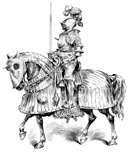
Priestly Celibacy: An Eschatological Vanguard
A HOLOCAUST IN IMITATION OF CHRIST
Early last year, Pope Francis hinted that the Catholic Church could review the discipline of celibacy for priests, calling it a “temporary prescription.” He said this just days after the German bishops approved a document urging him to re-examine the practice. At the outset of Francis’s reign, 60 percent of American Catholics thought it would be good if the Holy Father allowed married priests in the Latin Church.
Pope St. Pius X, in his encyclical Pascendi Dominici Gregis (1907), wrote that “suppression of ecclesiastical celibacy” is part of an agenda “guided by the principles of Modernism,” which he famously defined as “the synthesis of all heresies.” Efforts to suppress priestly celibacy are neither unique to our day nor an issue isolated from other currents of the Zeitgeist.
Between these two popes, the now-forgotten yet once-famous German writer Ida Friederike Görres (1901-1971) witnessed another round of attacks on priestly celibacy. In response, she offered a wealth of wisdom that remains relevant today. Görres spent her adult life writing about the Church, saints, marriage, virginity, and women (for example, arguing against the ordination of women). At her funeral, then-Father Joseph Ratzinger called hers “a voice which seems irreplaceable to the Church” against “conformism” and “silence.” Her book Is Celibacy Outdated? (1965), which was translated into English in 1967 yet is, unfortunately, out of print, provides valuable insights from the past.
Görres argues that within the Church, celibacy is as necessary as marriage. The figure of the Catholic priest, she maintains, is one of the most potent and magnificent images of virility and humanity known to history. And celibacy is the most expressive form of the office of Christ’s representative.


You May Also Enjoy
A conference addressing the problems facing People of Height deserves attention and ought to draw a national audience.
Review of Christ the Lord: The Road to Cana... Awe-Filled Wonder: The Interface of Science and Spirituality... Ransomed from Darkness: The New Age, Christian Faith, and the Battle for Souls... The Quest for Shakespeare
The Great Divorce. By C.S. Lewis.
Here is not the Blakean Marriage of Heaven and…