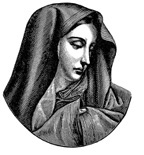
How the Immaculate Conception Transformed Western Civilization
COVENANT & CIVILIZATION
Ed Note: The Solemnity of the Immaculate Conception is December 8.
Western civilization owes many debts to Catholic doctrine, though few remain as transformative as the Immaculate Conception and the Marian worldview that flowed from it. Many modern thinkers assume that Marian doctrines function merely as pious ornaments within Christian spirituality. They imagine Marian devotion as a decorative lace draped over the harder structures of dogma. This assumption collapses once we begin tracing Mary’s actual impact on the anthropology, culture, and moral imagination of the West. We discover that the Marian vision helped give birth to an entirely new understanding of the dignity of woman, the sacredness of human life, and the astonishing capacity of created nature to be elevated by divine grace. The world lived by a very different imagination before the development of Marian doctrine. The world shaped by Marian doctrine became a world reordered.
Pagan Anthropology & the Problem of Womanhood
Ancient pagan societies frequently expressed admiration for feminine beauty while simultaneously immersing women in religious environments that reduced them to instruments of erotic symbolism. Many maintained myths in which women appear as the pivot of cosmic misfortune. For instance, the tale of Pandora confirmed the Greek conviction that women introduced disorder into an already fragile world. The Greek poet Hesiod described Pandora as a “beautiful evil,” revealing a regard for womanhood as alluring but dangerous. The virtues proper to feminine genius, such as receptivity, quiet strength, and contemplative docility, gained women no honor. Instead, women were frequently aesthetic objects or ritual components within sexualized cult practices that treated the feminine form as a commodity.
Ancient Rome presented a comparable situation. Roman women enjoyed certain social freedoms that exceeded those of other cultures, though these freedoms rarely translated into equal dignity. Roman society cultivated large religious festivals that elevated fertility goddesses while simultaneously reducing womanhood to biological function and sensual display. These cults presented the female body as a symbol of abundance, though this symbolism carried little regard for women’s personal agency or moral stature. Roman women thus had to navigate a society that affirmed their usefulness while overlooking their inherent worth.
Egypt and Mesopotamia presented alternative arrangements with specific allowances for female property ownership or priestly roles. However, these civilizations articulated no comprehensive anthropology that grounded the dignity of woman in a divine image shared equally with man. Instead, they tended to oscillate between pragmatic respect and metaphysical diminishment. Womanhood found pockets of honor without achieving an overarching vision of dignity.

You May Also Enjoy
Peter was almost certainly looking over the shoulder of Mark during the writing of the second Gospel, and Jesus’ own mother had enormous influence on Luke.
The all-or-nothing demand among the term’s proponents leaves no room for legitimate, rational discourse about whether the term fits with traditional theology.
To turn us away from sin and toward Christ: This is essentially our Lady's mission in this world.